When Should You Consult Experts for a Culvert Repair Service?
Highlight:
- Stagnant water or pooling near the driveway is a prominent sign of culvert repair.
- If you notice visible structural damage, it may be time to repair your culvert.
- Soil erosion can indicate that your culvert is not working properly.
- If you frequently clean debris from the culvert entrance, it can be a sign of an underlying issue.
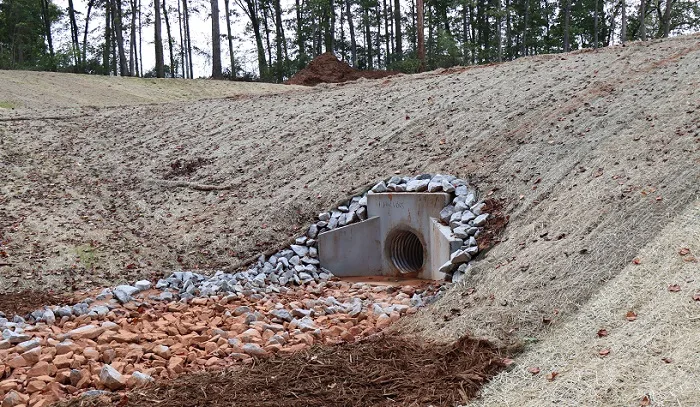
Culverts play an essential role in managing water flow around commercial, residential, and municipal properties. These structures allow water to pass beneath pathways, driveways, and roads, preventing erosion and flooding. In areas that experience heavy rainfall and seasonal storms, culverts are essentially crucial for maintaining proper drainage and protecting infrastructure. Over time, culverts can deteriorate due to debris buildup, corrosion, soil movement, or aging. When you recognize these early signs, you can take action before the small issues turn into major troubles. It is essential to understand when the right time is to consult experts for a culvert repair service.
Signs It is Time to Consult Professionals for a Culvert Repair Service
Water is Pooling Around Your Driveway
One of the most obvious signs that your culvert may need attention is standing water or pooling near your yard, driveway, or roadside areas. Culverts allow water to flow smoothly from one side of the road to the other. When the system becomes blocked, water can not move efficiently through the pipe. As reputable culvert repair and installation contractors, we recommend taking quick action as this pooling can lead to landscape damage, soil erosion, and even flooding during heavy rainfall. Over time, stagnant water may weaken the surrounding ground, causing driveways or nearby structures to sink or crack.
Visible Cracks, Rust, Or Structural Damage
Another clear sign that it is time to consult culvert repair contractors is visible structural damage. Culverts are often made up of materials such as steel, concrete, or plastic, all of which can deteriorate over time. Concrete structures can crack due to pressure from heavy loads or soil movement, while metal culverts may develop rust and corrosion. Even small cracks can grow into larger structural failures. Rusted metal culverts may develop holes that disrupt water flow or eventually collapse.
Frequent Blockages from Debris Or Sediment
Culverts can easily become clogged with natural debris such as dirt, branches, leaves, and sediments carried by rainwater. In areas with ongoing construction or heavy vegetation, debris can accumulate rapidly and restrict water flow. If you repeatedly clean debris from the culvert entrance or notice that water flow slows down during storms, it is time to consider a culvert repair service. Persistent blockage can cause pressure to build within the culvert. It can eventually lead to pipe shifts, cracks, or a complete failure.
Soil Erosion Around the Culvert Area
Erosion is another warning sign that your culvert may not be functioning properly. When water flow becomes poorly directed or too strong, it can wash away soil surrounding the culvert entrance or exit points. This erosion can gradually undermine the stability of nearby roads, driveways, or landscaping features. In severe cases, erosion can lead to sinkholes or structural collapse of the surrounding ground. If you notice loose gravel around the culvert area, deep channels forming in the ground, or exposed soil, it is crucial to address the issues promptly.
Unusual Sinkholes Or Ground Settling
The formation of small sinkholes or ground settling near your culvert is often a sign of hidden structural damage. When culverts develop holes, cracks, or internal collapses, soil can gradually wash into the pipe, creating empty spaces beneath the surface. Over time, the ground above these spaces may begin to sink or collapse. It can create dangerous conditions for vehicles, pedestrians, or nearby structures. What may initially appear as a minor depression in the ground can quickly expand if you do not pay attention to the underlying issues.
Culverts are a vital component of an effective drainage system, especially where heavy rain and stormwater runoff are common. When these structures become damaged or blocked, they can lead to erosion, flooding, and serious structural issues.
Leave a Reply