Call us for a free quote 770-894-1792 or 770-877-1538

Serving Atlanta and the surrounding areas

Category:

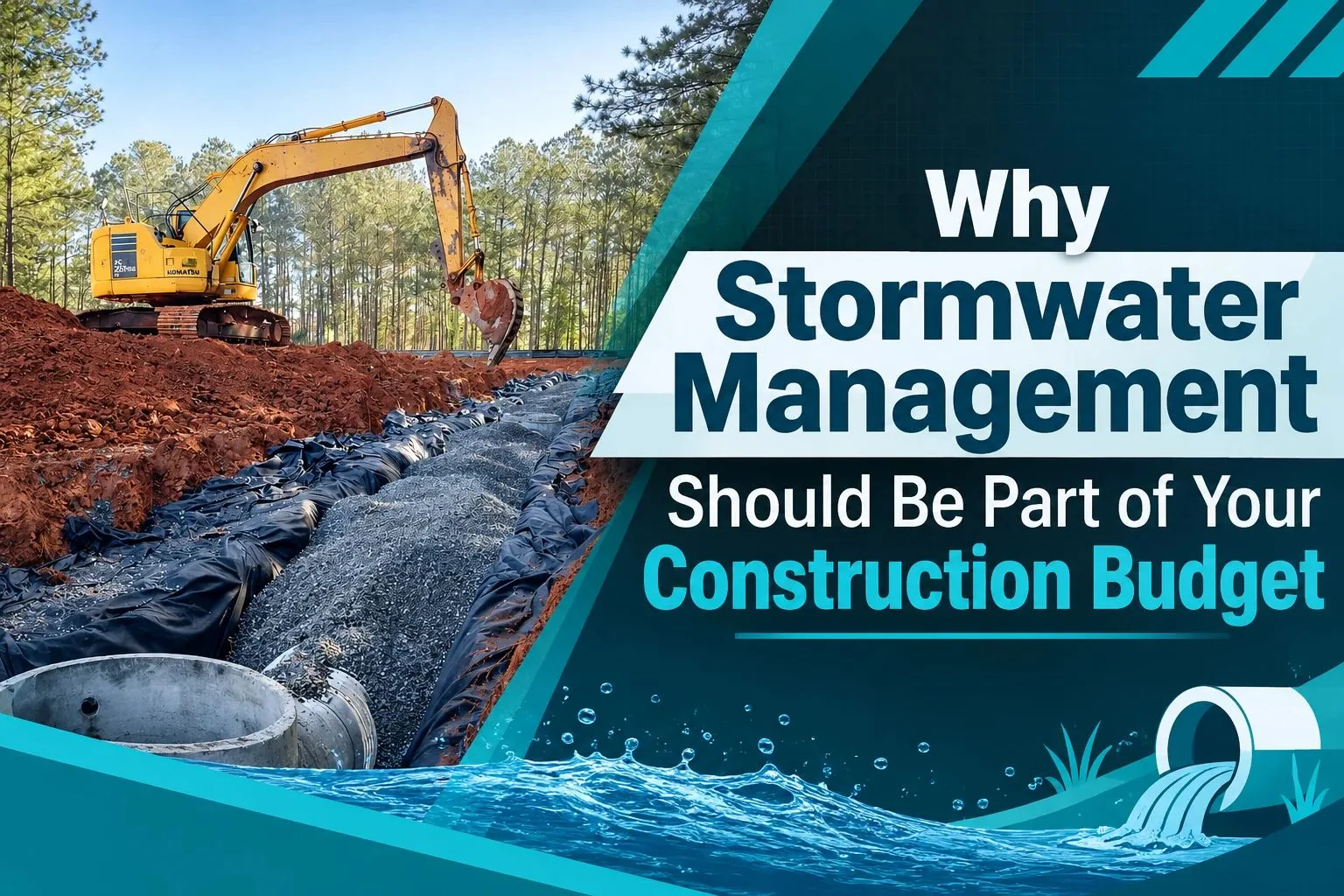
Why Stormwater Management Should Be Part of Your Construction Budget

Why Stormwater Management Should Be Part of Your Construction Budget

  • admin
  • 0 Comments

Highlights:

  • If rainfall is not managed, it can collect and flow across the construction site.
  • Stormwater control on construction sites is not optional; it is crucial.
  • Sustainability is a central pillar of modern building practices.
  • Effective stormwater controls contribute to green building standards.
  • Sediment-laden water can create long-term damage to downstream environments.


Call: 770-894-1792 


When it rains, water does not simply vanish. It flows. Generally, water is absorbed by the soil and gradually enters groundwater systems. But for construction sites, stormwater can become a serious hazard. That is where professional stormwater management can make a significant difference. It can reduce pollution, erosion, and property damage. On construction sites, the need for effective stormwater control is even more crucial. Let’s learn why!

Top Reasons To Consider Professional Stormwater Management For Construction Sites

Prevents Soil Erosion and Sediment Runoff

Soil erosion is one of the biggest issues with unmanaged stormwater on a construction site. When rain falls, especially on sloped or cleared areas, it can quickly wash soil away. When there is no vegetation or stabilizing measures, even a light rain can cause significant soil loss. Plus, sediment can disrupt ecosystems and introduce harmful substances. Sediment-laden water can create long-term damage to downstream environments. Erosion control measures are essential to preventing these harmful outcomes.

Protects Local Water Quality

Construction sites involve fuel, oil, concrete washout, paints, solvents, and debris. When it rains, these pollutants can be swept into nearby storm drains. This can flow directly into local waterways without filtration. This runoff can create a serious risk to drinking water sources and public health. Contaminants can alter pH levels and introduce toxins to streams and lakes. To protect water quality, installing barriers, covering materials, and properly storing chemicals are essential.

Reduces Flooding and Site Damage

If rainfall is not managed, it can collect and flow across the construction site. Without proper drainage and grading, water can pool in work zones. It can create flooding, damage foundations, and delay critical operations. Uncontrolled water can also undermine roads, erode infrastructure, and displace construction materials. Proper management is essential to intercept and redirect this water. This can reduce the risk of on-site flooding and water damage.

Ensures Regulatory Compliance

Stormwater control on construction sites is not optional. It is crucial. In the United States, the National Pollutant Discharge Elimination System (NPDES) requires permits for construction activities that disturb one acre or more of land. In Georgia, this permit is administered at the state level by the Georgia Environmental Protection Division (EPD), and local governments in the Atlanta area also require erosion and sediment control plans for land-disturbing activity. Contractors must implement stormwater pollution prevention plans that describe how they reduce runoff and prevent contamination. If you cannot stick with these regulations, it can result in hefty fines, stop-work orders, and reputational damage.

Promotes Sustainable Building Practices

Sustainability is a central pillar of modern building practices. When you invest in managing stormwater, it shows that you care about the environment as well as the job site. It reflects that you commit to minimizing the project’s impact on surrounding ecosystems and communities. Effective stormwater controls contribute to green building standards. Neighbors, regulators, and future clients are more likely to trust contractors who operate transparently and responsibly.

Wrapping Up!

Stormwater control may begin with engineering controls and regulatory checklists, but it plays a crucial role in protecting the environment and ensuring building projects are safe, legal, and resilient. This investment supports construction with healthy landscapes and clean water.

Planning a project in Atlanta or North Georgia? Contact us for effective stormwater solutions for residential and commercial sites. To learn more, read our blog posts.
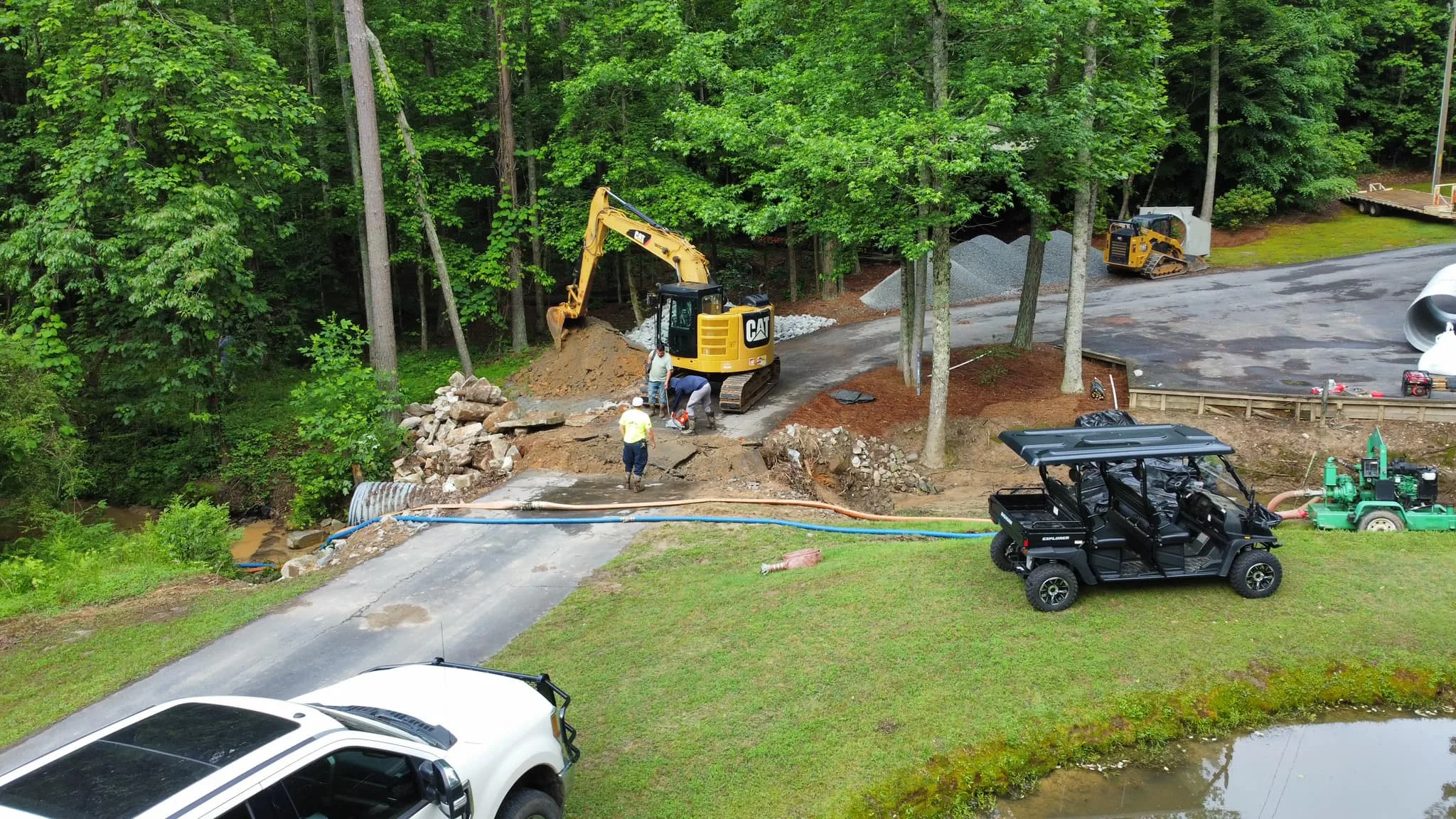
stormwater management

Stormwater Management: Why It’s Critical Before Starting a Construction Project

  • admin
  • 0 Comments

Highlights

  • Prioritizing drainage planning in the early stages prevents costly permit delays and legal complications.
  • Focusing on stormwater systems is essential for navigating Georgia’s frequent rainfall and varying soil conditions.
  • Implementing a plan before breaking ground ensures your project meets state regulatory requirements for approval.
  • Smart drainage solutions increase overall site efficiency by integrating grading and infrastructure from the start.
  • Addressing runoff risks early protects the long-term structural integrity and financial value of the property.

Call: 770-894-1792 

Are you a real estate developer? Just finalized the design and lined up your contractors to start the construction project? But then come the unexpected permit delays and compliance issues. You have to hold your project due to drainage planning. Sounds familiar, right? This is not uncommon for real estate developers in Georgia.

Overlooking stormwater management in the early stages of a project can lead to costly setbacks, legal complications, and long-term structural issues. However, you can avoid these issues just by prioritizing stormwater management systems before starting your project.

In this blog, we will explore why it is not an option but a must for a successful construction project.

Let’s dive in!

Understanding Georgia’s Climate

Georgia’s climate is the main reason you should focus on stormwater management before starting any construction project. Frequent rainfall, sudden storms, varying soil conditions, and unmanaged runoff can quickly become a serious issue.

Water accumulation, erosion, and flooding are common risks across development sites in Georgia. Without a proper system in place, even a well-planned project can face structural and environmental challenges before it’s completed.

Why Stormwater Management Matters Before Construction

Managing stormwater is not just an environmental requirement; it is a critical step in making your project build-ready. Here’s why it matters:

Ensures Compliance with Local Regulations

For you, stormwater control measures are more than just a technical requirement; they are an essential part that helps you secure approval for your project. In Georgia, strict regulations require proper control of runoff and site drainage before construction begins. That’s why, as a stormwater management contractor, we work closely with you to ensure your project meets the requirements. Many people often ask, “Do I need a stormwater plan before construction in Georgia?” Yes, most projects require a plan to get permits and avoid delays.

Prevents Costly Delays & Rework

As you know, unexpected delays often increase the costs of your project. In most cases, ignoring stormwater control measures is the main reason for these inconveniences. You may face issues during inspections that require redesigning drainage systems or adjusting site grading. And you know how much work and cost will be added. By creating a smart management system for stormwater, you can prevent delays and rework.

Improves Site Efficiency

Do you know that when proper drainage systems are installed for controlling stormwater from the beginning of your construction project, your entire site functions more efficiently?  Proper grading, drainage systems, and infrastructure work together seamlessly. Our team of professionals focuses on grading and excavation, smart drainage solutions that actually help your development perform reliably in Georgia’s climate.

Protects Your Long-Term Investment

It is important. Stormwater management systems don’t just impact the early stages of construction, but it also plays a major role in the long-term performance of your property. Poor drainage can lead to erosion, water damage, and even foundation issues over time. By addressing these risks early, you protect your investment and reduce future maintenance costs.

Sustainable drainage systems are critical for construction projects. For developers in Georgia, planning ahead helps avoid delays, reduce costs, and protect long-term value. With the right approach, you can move into construction with clarity, confidence, and control. You can contact us to learn more about our management services for stormwater.

Request A Quote

Stormwater solution

Stormwater Drainage Solutions: What Business Owners Need to Know!

  • admin
  • 0 Comments

Highlights

  • Proper stormwater drainage systems protect commercial properties from water accumulation and maintain a professional appearance.
  • Common issues like standing water and clogged gutters can lead to asphalt damage, slip hazards, and soil erosion.
  • Excessive water near building foundations can cause structural cracks, especially in the expansive clay soil found in Atlanta.
  • Effective management options include French drains for underground redirection and retention systems to control heavy rainfall flow.
  • Professional providers offer customized drainage plans and long-term maintenance to prevent expensive water damage repairs.

Call: 770-894-1792 

Do you want to prepare your commercial building for the rainy season? In Atlanta, heavy rain can cause huge problems, and you know it well as a resident. Without proper stormwater drainage solutions, you may find your parking lot is underwater, water is leaking into your building, and more.

To avoid these issues, it is essential to prioritize proper stormwater drainage solutions. Functional drainage systems keep your property safe even when the city is dealing with continuous rainfall. It also keeps your business looking clean and professional.

As a trusted stormwater drainage solution provider, here we will explain what commercial stormwater drainage is, common problems of the city, and effective solutions.

What is Commercial Stormwater Drainage?

As the name suggests, it is a system that moves rainwater away from your commercial property. It controls how water flows during and after a storm. When rain falls on roofs, driveways, and parking lots, these hard surfaces push water to flow quickly. Without drainage, that water accumulates in one place.

A functional drainage system guides water from building foundations, parking areas, walkways, and landscaped areas. The goal is simple. Move water away fast. This helps keep your property dry and safe.

Common Drainage Problems Business Owners Face in Atlanta

Here are the issues most commercial building owners face during storm seasons.

  • Standing Water in Parking Lots: After a heavy rain, water often pools in parking areas. This happens when the surface is uneven or when drains are blocked. Standing water can damage asphalt. It can also cause slip & fall accidents.
  • Flooded Landscapes: Do you know that poor drainage can wash away soil and plants? This often leads to soil erosion and other major issues. It leaves muddy areas around your property. This makes your business look poorly maintained.
  • Clogged Drains & Gutters: Leaves, dirt, and trash often block drains. When this happens, water overflows. It may enter your building or damage exterior walls. Storms can be intense. If your drainage system is weak, problems show up fast.
  • Foundation Damage: Too much water near your building can weaken the foundation. Over time, cracks may appear. This leads to costly repairs. Atlanta’s clay soil makes this worse because it expands when wet.

Effective Drainage Solutions for Commercial Properties

Here are some drainage solutions for stormwater management that actually work:

  • French Drains: These drains move water underground using gravel and a perforated pipe. They are great for stopping water buildup near foundations.
  • Retention Systems: Retention systems hold extra rainwater during storms. They slowly release it over time. This reduces flooding and soil erosion.
  • Rain Gardens: This is another solution that actually works. A rain garden collects and absorbs stormwater. They also improve the look of your property. Plants help filter the water naturally.
  • Surface Drains: These drains collect water from spaces like parking lots and walkways. They also direct the stormwater into underground pipes. This keeps high-traffic areas dry and safe.

How We Can Help with Stormwater Drainage

  • Inspecting Your Property: We always start with an inspection before offering stormwater drainage solutions. We look at slopes, soil, and water flow. We find the root of the problem, not just the surface issue.
  • Creating Custom Drainage Plans: Every business property is different. We design a drainage plan that fits your space. We do not use a one-size-fits-all method.
  • Prioritizing Long-Term Protection: We build systems that last and offer more functionality. Our goal is to prevent future problems, not just fix today’s issue.
  • Offering Ongoing Support: If you have any questions, we are always there to help. If you need maintenance advice, we can help. We believe in building long-term relationships with our clients.

Stormwater drainage may not seem important at first. But ignoring it can cost you a lot later. Water damage spreads fast. Repairs are expensive. If you own a commercial property in Atlanta, now is the time to act. Check your drainage system. Fix small issues before they grow.

Request A Quote