How Can a Land Development Contractor Help You Save Money in the Long Run?
Summary: A land development contractor can help you save money in several ways. Professionals use efficient materials and reduce waste. They use high-quality equipment to prevent rework.
Are you planning to build a new house? If yes, this blog is for you. When considering the construction cost, you often focus on finishes, materials, and the visible structure of a building. However, one of the most crucial financial decisions happens before the construction begins. Land development is the stage where your raw property is transformed into a build-ready site. The quality of the work directly influences the long-term performance and the cost of the entire project. Consulting a professional land development contractor may seem like a significant upfront expense, but in reality, it is one of the most effective ways to control your budget over time.
Excellent Ways a Land Development Contractor Helps Homeowners Save Money in the Long Run
Thorough Site Evaluation Prevents Expensive Surprises
Every land has some unique characteristics. Soil composition, underground utilities, natural drainage patterns, and environmental factors affect site preparation. As a reputable grading and excavation company, we recommend prioritizing the evaluation of the land. Without a proper evaluation, you can overlook hidden issues until it is too late. Professionals conduct a detailed site assessment before work begins. This process may include surveying, soil testing, and analyzing elevation. Identifying challenges early helps adjust plans before costly mistakes occur.
Proper Grading and Drainage Protect Structural Integrity
Water is one of the most damaging elements in construction. If your property is not graded correctly, water can collect around foundations, erode soil, seep into basements, and damage pavement. These issues may not arise immediately, but over time, they can lead you to significant repair costs. Investing in proper drainage during development reduces the chance of foundation cracks, erosion-related damage, and flooding. These preventive measures can save you dollars on repair and maintenance.
Efficient Use of Materials Reduces Waste
Land development requires substantial materials such as gravel, fill dirt, piping, and erosion control products. Improper planning can lead to underordering, overordering, or the use of unsuitable materials. All these scenarios increase costs. When you consult experts for grading and excavation, they carefully calculate material quantities based on your site specifications. They coordinate deliveries to minimize waste. They know when alternative materials can deliver the same performance at a lower cost.
Use of High-quality Equipment Prevents Rework
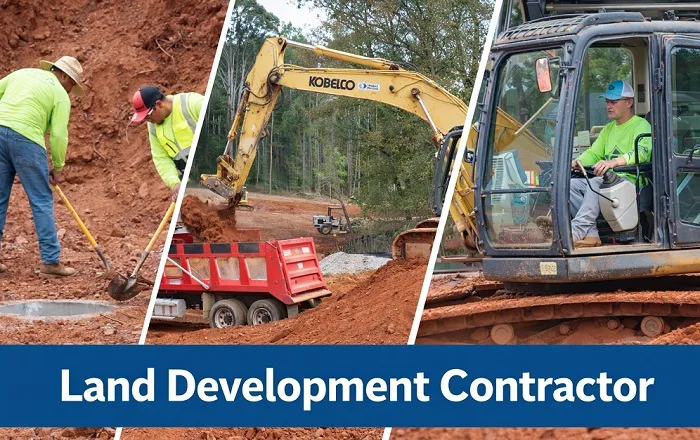
Land development involves the usage of heavy machinery and precise technical work. The right use of bulldozers, excavators, compactors, and graders helps achieve accurate elevations and proper soil compaction. Inexperienced operators can create uneven surfaces, grading errors, or poorly compacted soil that may compromise the stability of the structure. Experienced professionals help you avoid costly rework. Avoiding rework is a high cost saver, as correcting grading after construction can be highly expensive.
Regulatory Compliance Avoids Costly Delays
Development in Atlanta requires compliance with environmental regulations, zoning laws, and country-specific permitting processes. Failing to meet standards can result in fines, project delays, or stop-work orders that can significantly increase your budget. Experienced contractors understand the regulations. They coordinate with surveyors, engineers, and municipal authorities to secure all necessary permits. They ensure the requirements are met before the project begins. When it comes to constructing a new building, time is money. Delay can increase labour expense and your overall budget.
Long-Term Stability Enhances Property Value
A well-prepared site ensures the long-term durability and value of your property. Effective drainage, stable soil, and properly installed infrastructure reduce the risk of ongoing maintenance issues. Buildings built on solid foundations experience less erosion, fewer structural repairs, and long-lasting pavements. Additionally, if you want to sell your property, you can attract buyers easily, as people admire strong foundations. Higher resale value and reduced maintenance budget can create a lasting financial advantage.
It can be tempting to cut costs during the early stages of development. However, the quality of the groundwork determines how well your entire property performs over time.
Leave a Reply